


Thailand and Cambodia Agree to Immediate, Unconditional Ceasefire
Kuala Lumpur, Malaysia – July 28, 2025
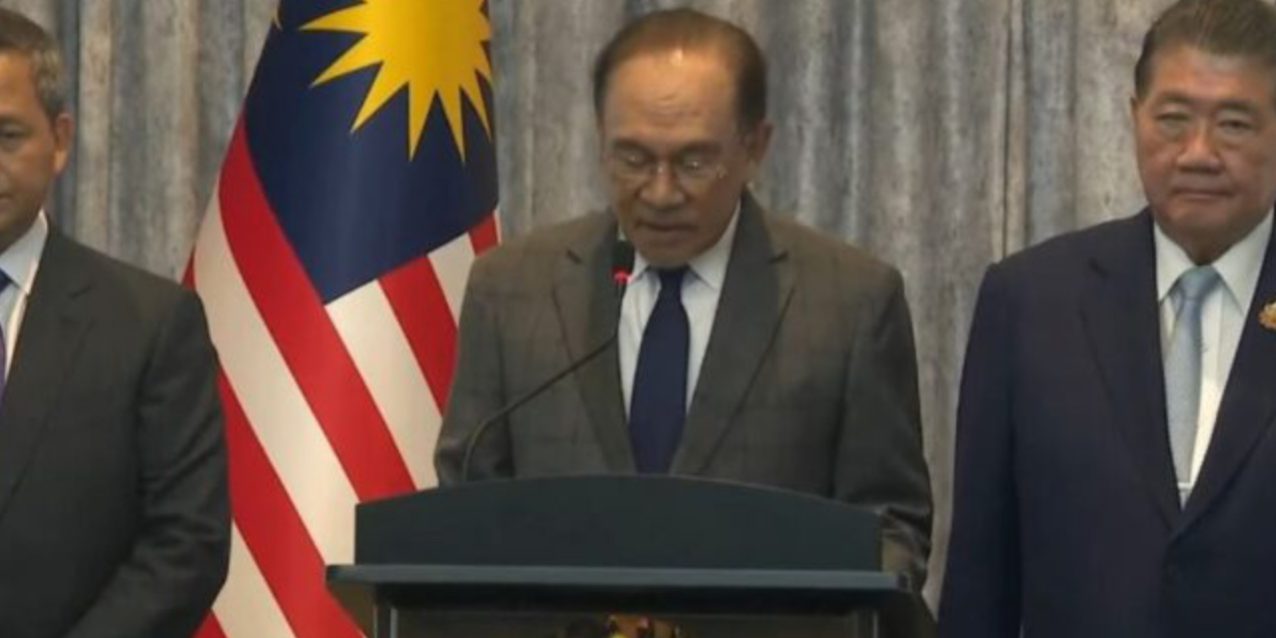
Thailand and Cambodia have agreed to an immediate, unconditional ceasefire. This takes effect midnight local time on July 28, 2025. Malaysian Prime Minister Anwar Ibrahim announced the breakthrough. He hosted a meeting in Putrajaya. Cambodian Prime Minister Hun Manet and Thai Acting Prime Minister Phumtham Wechayachai attended.
The ceasefire is a major step towards de-escalation. Intense clashes along the disputed border occurred for days. These resulted in many casualties. Over 260,000 people were displaced. Malaysia, as current ASEAN chair, mediated. The United States also provided involvement and pressure.
Both Prime Ministers committed to the truce. It aims to halt all hostilities. Normalcy should return to affected border regions. Leaders also agreed to direct communication. This includes channels between their respective Prime Ministers and Foreign Ministers.
Military commanders will hold talks on July 29, 2025, at 7:00 AM (local time). This meeting will further de-escalate tensions. Additionally, Cambodia will host a border committee meeting. This is scheduled for August 4, 2025.
The conflict escalated significantly in recent weeks. Thailand recalled its ambassador from Cambodia. All land border crossings closed. Only Cambodian migrant workers returning home were exempt. The dispute centers on long-standing territorial claims. Interpretations of historical maps around the Preah Vihear temple are key.
The Malaysian Prime Minister called the agreement a “common understanding.” He stressed it’s a vital first step for peace and security. He highlighted the need to rebuild trust. Confidence between the two Southeast Asian nations is crucial. U.S. President Donald Trump celebrated the agreement. He had reportedly pressured both nations to cease fighting. Trump stated it would save “thousands of lives.” He also announced plans to restart trade talks with both countries.
Analysis from an Accounting Expert’s Perspective
The ceasefire has crucial economic implications. Businesses near the Thai-Cambodian border are especially affected. Accounting and financial management experts note significant disruptions. Cross-border trade, supply chains, and investment flows were likely impacted. Businesses relying on these channels faced cash flow and inventory issues. They might also have incurred losses due to halted operations.
Border re-opening signals economic recovery. Businesses need careful financial planning now. Restructuring might be necessary to lessen disruption. This includes account reconciliation and forecast reassessment. Navigating legal or contractual issues is also key. Understanding financial health is vital for recovery. Expert guidance in reporting and compliance is often needed. For managing business finances, trusted advisors are invaluable. Learn more about sound financial practices at Bookkeeping Company Thailand.
Insights from Work Permit Experts
The ceasefire impacts cross-border workers immediately. Cambodian migrant workers in Thailand are a large group. As borders normalize, work permit experts foresee renewed focus on legal status. Documentation requirements for these individuals will be key.
Instability periods can cause issues. Expired permits, lost documents, or renewal difficulties are common. This leads to complex challenges for workers and employers. Expert guidance on work permit regulations is crucial. Immigration laws must be followed. This ensures smooth worker return and prevents legal problems. Staying informed about evolving policies is paramount. For work permit assistance, refer to specialists like those at Work Permit Co. Ltd.
Perspective from Labor Import Specialists
Border conflict affected foreign labor flow. This labor is vital for many Thai industries. Labor import specialists monitor the ceasefire closely. They anticipate normal procedures resuming for worker imports, especially from Cambodia.
Border closures created backlogs. Recruitment, visa, and registration processes became complex. Businesses relying on cross-border labor need efficient strategies. They must manage worker influx and new applications. Proper documentation for existing workers is also essential. Labor import companies provide vital expertise. They navigate the post-conflict landscape. This ensures adherence to labor laws. They also facilitate smooth transitions. For ethical labor import services, consult professionals at Worker Company Thailand.