

Assessable Income: Your Guide to Thai Personal Income Tax
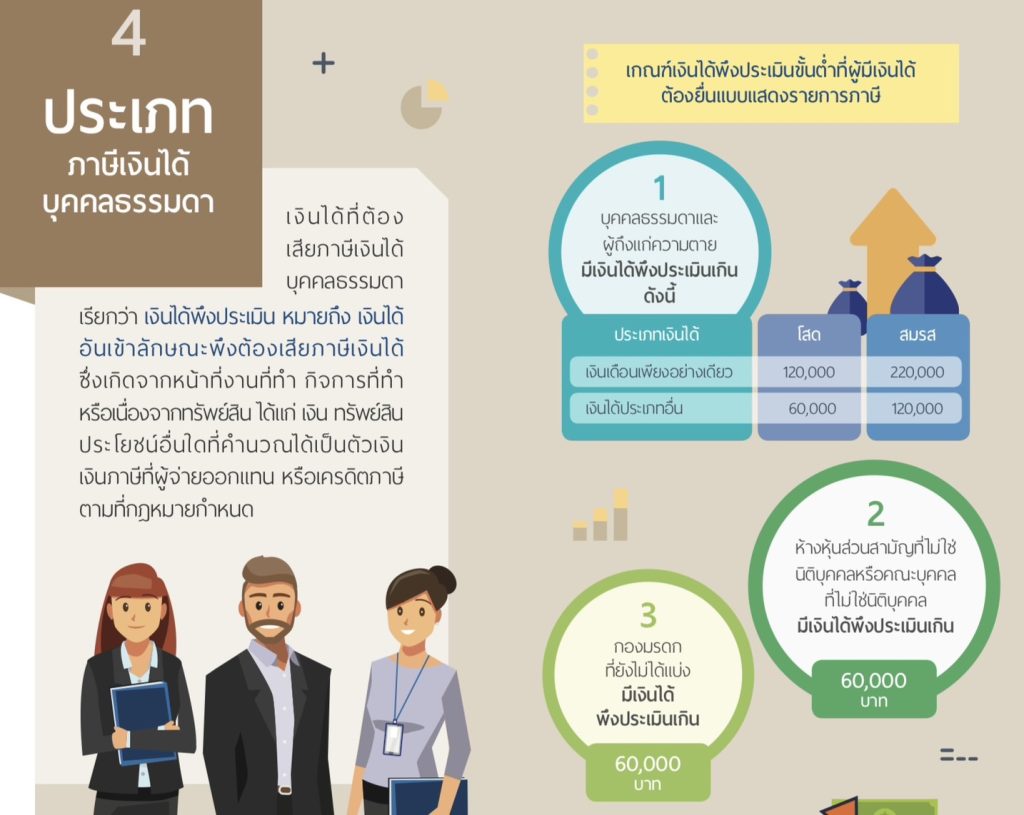
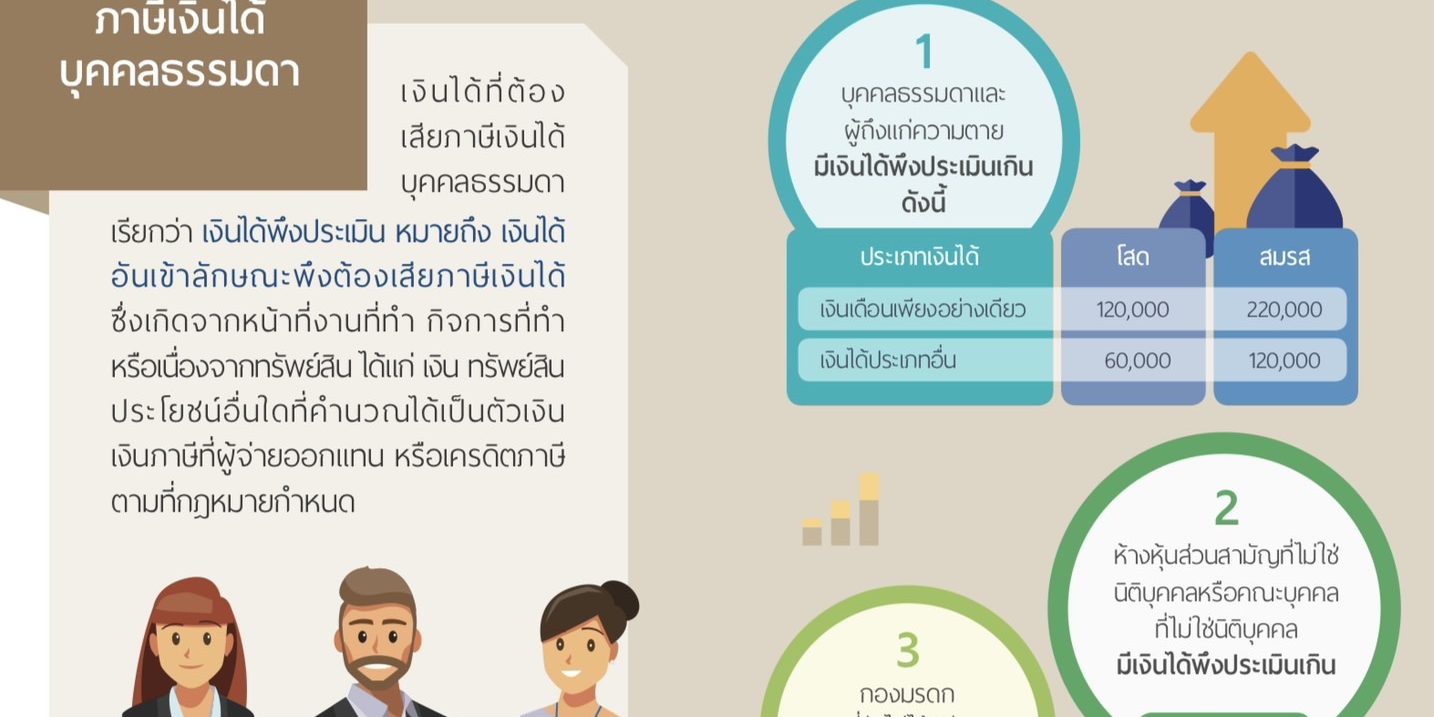
Understanding assessable income is fundamental for anyone dealing with personal income tax in Thailand. This refers to any income received during a tax year. Importantly, such income is subject to taxation under Thai law. The Thai Revenue Code categorizes assessable income into eight distinct types. Each type, moreover, has its own specific rules regarding calculation and potential deductions.
What Constitutes Assessable Income in Thailand?
The eight categories of assessable income (known in Thai as “เงินได้พึงประเมิน” or “Ngern Dai Pueng Pramern”) are designed to cover a wide range of earnings. Here’s a breakdown of each:
- Income from Employment: This is the most common type. It encompasses salaries, wages, bonuses, gratuities, and pensions. Furthermore, any benefits derived from one’s employment are included. For instance, housing allowances or even taxes paid on an employee’s behalf by the employer fall into this category.
- Income from Positions or Services Rendered: This category includes fees, commissions, and discounts. Meeting allowances and other similar benefits received for performing specific duties or services are also covered here.
- Income from Goodwill, Copyright, and Other Rights: This covers earnings from intellectual property, franchises, and annuities. Additionally, recurrent payments derived from a will or legal act are included.
- Income from Dividends, Interest, and Capital Gains: This includes dividends from companies, and interest on bank deposits. Shares of profits, capital reductions, and bonuses from companies are also part of this category. Moreover, gains from the transfer of shares or debentures are assessable. For certain income in this category, taxpayers may choose between a flat withholding tax or combining it with other income for progressive taxation.
- Income from Letting Out Property: This refers to rental income from buildings, agricultural land, or other land. Rentals from vehicles and other types of property are also included. Furthermore, income from the breach of hire-purchase agreements or installment sales falls under this type.
- Income from Liberal Professions: This category applies to earnings from specific professional services. Examples include law, medicine, engineering, architecture, accounting, and fine arts.
- Income from Contracts of Work: This covers income earned from contracts where the contractor provides both the tools and the essential materials for the work.
- Other Business Income: This is a broad category. It encompasses income from various business activities, such as commerce, agriculture, industry, and transportation. Essentially, any income not specified in the preceding seven categories is included here.
Why is Understanding Assessable Income Important?
Accurately identifying and categorizing your assessable income is the first crucial step. It is essential for calculating your personal income tax liability in Thailand. Each type of income, in fact, may have different rules for deductible expenses and applicable allowances. This directly impacts your net taxable income. Consequently, it also affects the final amount of tax you owe.
Key Takeaways:
- Comprehensive Coverage: Thai tax law broadly defines assessable income. This includes most forms of earnings.
- Categorization Matters: The classification of your income directly determines the specific tax rules that apply to you.
- Foundation for Tax Calculation: Assessable income serves as the fundamental starting point for determining your total tax burden.
For individuals and businesses operating in Thailand, a clear understanding of assessable income is thus essential. It ensures effective tax planning and compliance. Consulting with a tax professional, furthermore, can help ensure all income is correctly declared. They can also help you claim all eligible deductions and allowances.