


Understanding Personal Income Tax (PIT): A Clear Guide for Taxpayers
In the world of finance and business, “Personal Income Tax” (PIT) is a term every income earner must understand. Whether you work for a company, run a freelance business, or invest, knowing your tax duties and responsibilities is essential. This article will explore this tax to help you manage your finances effectively.
What is PIT?
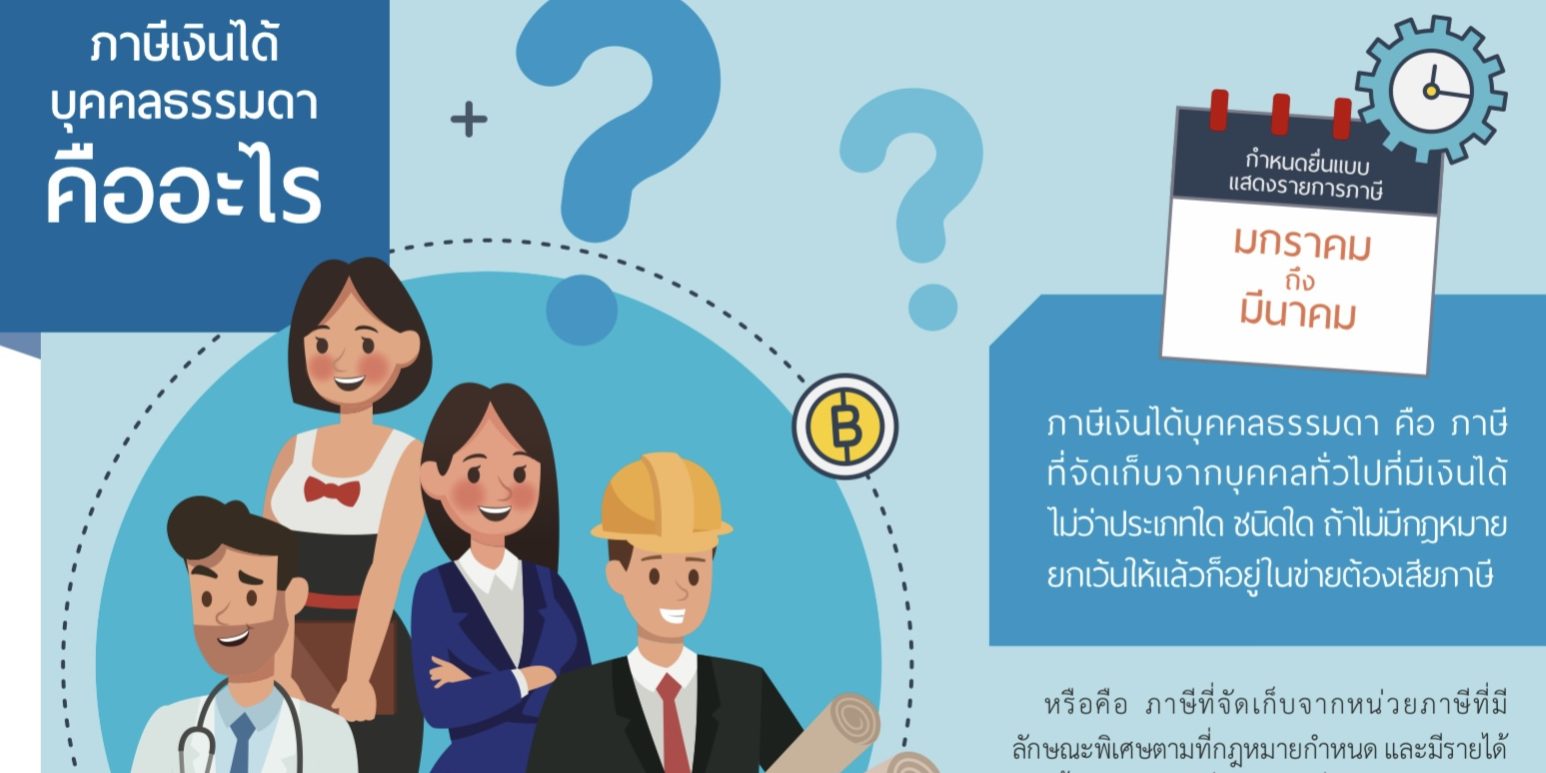
Personal Income Tax is a tax collected from individuals who earn income within a tax year (usually January 1 – December 31). This includes income from salaries, wages, fees, commissions, rent, and other sources defined by law. Importantly, the government uses this revenue to fund national development and various public services.
Who Pays This Tax?
According to the Revenue Code, several entities must pay income tax:
- Individuals: Anyone earning assessable income as defined by law.
- Deceased Persons During the Tax Year: This covers individuals who passed away within that specific tax year.
- Undivided Estates: These are the assets of a deceased person that heirs have not yet distributed.
- Ordinary Partnerships and Non-Juristic Bodies of Persons: These refer to groups of individuals who operate a business together but are not registered as formal legal entities.
Key Principles of Income Tax Collection
The government collects this tax based on two main principles:
-
Source Rule:
This rule applies to income earned in Thailand. Tax is collected regardless of whether the income earner is Thai or foreign, or if they reside in Thailand. For example, if you work in Thailand, run a business here, or own assets in Thailand that generate income, you must pay tax under this rule.
-
Resident Rule:
This principle applies to individuals who are “residents of Thailand.” You are considered a resident if you stay in Thailand for a total of 180 days or more in a tax year. Consequently, if you earn income from foreign sources or have assets located abroad, and then bring that income into Thailand within the same tax year, you will also be subject to income tax in Thailand.
Why Understanding Your Tax Matters
Understanding income tax helps you not only comply with the law correctly but also offers several key benefits:
- Plan your taxes better: Knowing the types of income, deductions, and expenses you can claim helps you save taxes legally. Therefore, effective tax planning becomes easier.
- Avoid mistakes: Incorrect tax filing can lead to penalties and surcharges. For related tax information, for instance, you might find this article on VAT inclusive pricing in Thailand helpful.
- Stay updated with legal changes: Tax laws often change. Staying informed ensures you continue to meet the latest requirements.
Conclusion
Income tax is a vital part of financial life for everyone in Thailand. Understanding its basic principles, knowing who is liable, and learning how to calculate it will help you manage your tax affairs smoothly and efficiently. Should you have any further questions, it is wise to consult a tax expert or the Revenue Department for the most accurate information.